U.S. Customs and Border Protection - Paso del Norte Port of Entry
1011 S El Paso St, El Paso
+1 915-872-5700
U.S. Customs and Border Protection – Bridge of the Americas Port of Entry
3600 E Paisano Dr, El Paso
OPEN · 00:00 - Tomorrow 00:00 · +1 915-730-7010
U.S. Customs and Border Protection - Ysleta Port of Entry
2.5
2
797 S Zaragoza Rd, El Paso
OPEN · 00:00 - Tomorrow 00:00 · +1 915-872-3424
"It's a border crossing bridge, not much to say. Be aware that there is a $3.00 fee to cross in car and rates change for motorcycles, pedestrians, and larger vehicles.\n\nOne thing I did not like was how it bottlenecks all the way from the freeway in the U.S side to cross into Mexico. It's a long 2 lane back up all the way until you are halfway over the bridge, then the line starts dispersing into about 6 lanes. Took us about 30-45 minutes to cross into Mexico.\n\nOn the way back from Mexico there's a also a toll of about $1.75. Lines will vary depending on the time of day.\n\nStill a little faster than the other bridges where there is no toll to pay"
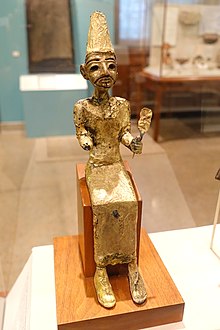
El is often described as the father of the gods and the creator of humanity. El had many epithets, including "Bull El," "El the King," and "Father of Mankind," reflecting his authority, wisdom, and paternal role.
El vs él are two different words. El without an accent is a definite article (the) and more often it’s placed before concrete singular masculine nouns. Él with an accent is a pronoun for the 3rd person singular: it replaces a male subject or object. Depending on the sentence, él means ‘he’ or ‘him’. El teléfono azul es de él.
he word El (אל) comes from a root word meaning "might, strength, power" and probably derives from the Ugaritic term for god. In Scripture, the primary meanings of this root are "god" (pagan or false gods), "God" (the true God of Israel), and sometimes "the mighty" (referring to men or angels).
Let's look at "él" vs "el". Él is a subject personal pronoun. It has a written accent on the letter é. The direct English translation is he. For example: Él tiene muchos amigos. He has lots of friends. El is written without an accent on the letter e. It is a definite article.
Learn the difference between "el" and "él" in Spanish. Discover when to use the definite article versus the personal pronoun with clear examples. Perfect for Spanish learners!
Learn how to choose the correct gender in Spanish with this easy guide! Discover when to use el and la, and which words are masculine or feminine. Stick around for a fun quiz at the end to test your knowledge!
What is the difference between el and él? Compare and contrast the definitions and English translations of el and él on SpanishDictionary.com, the world's most accurate Spanish-English reference website.